

Realism and Liberalism: Two Visions of the World
But which worldview is more useful for business?

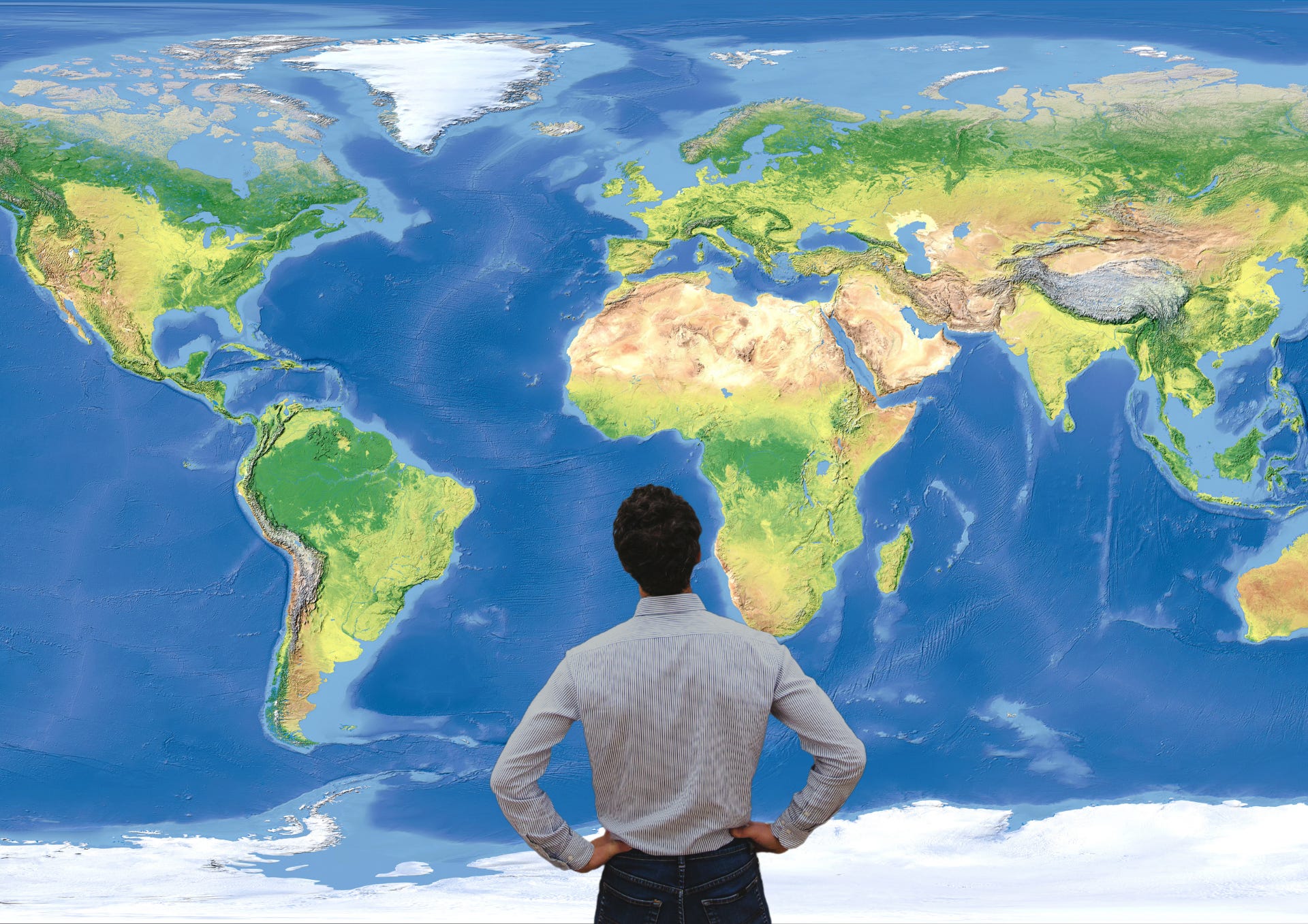
As I’ve discussed in some recent articles, the return of geopolitics has an impact on business. In many respects, business and geopolitics are becoming inseparable. From global supply chain shocks to sanctions, climate diplomacy to AI regulation, businesses are increasingly navigating not just markets, but the worldviews that shape them.
There are many worldviews out there. Some are grounded in international relations theory, while others are more narrative-driven, shaped by political messaging or ideology. Among those rooted in theory, two dominate how governments, and by extension markets, behave on the global stage: Realism and Liberalism.
You may not know them by name. You may even use a different vocabulary to describe them. But no doubt you’ve felt their effects through trade agreements, foreign policy decisions, regulatory shifts, global crises, or travel restrictions. Whether you’re exporting abroad, leading a business strategy, investing capital, or rethinking your career direction, understanding these two lenses is a competitive advantage.
So what are Realism and Liberalism in the global context? How do they help us understand how the world is shaped? And most importantly, which lens is most useful for business?
Let’s unscramble these two global visions and see what they mean for you.
Two Theories, Two Worlds
Theories matter most when they are useful. Think of them as grammar. International relations theory, or IR theory, is the grammar of international relations, an academic discipline that traces its roots to the aftermath of the First World War. Just like grammar structures language, theory structures how we understand global interactions.
Grammar doesn’t tell you what to say, but it does give you the rules to make sense of how things are said. Similarly, IR theory doesn’t predict events directly, but it does help us understand why states and other international players act the way they do. Without grammar, language is just noise. Without theory, world politics can feel chaotic. We might focus on the wrong signals or fall into magical thinking. Theory helps us spot patterns, rules, motives, limits, and opportunities that actually matter.