


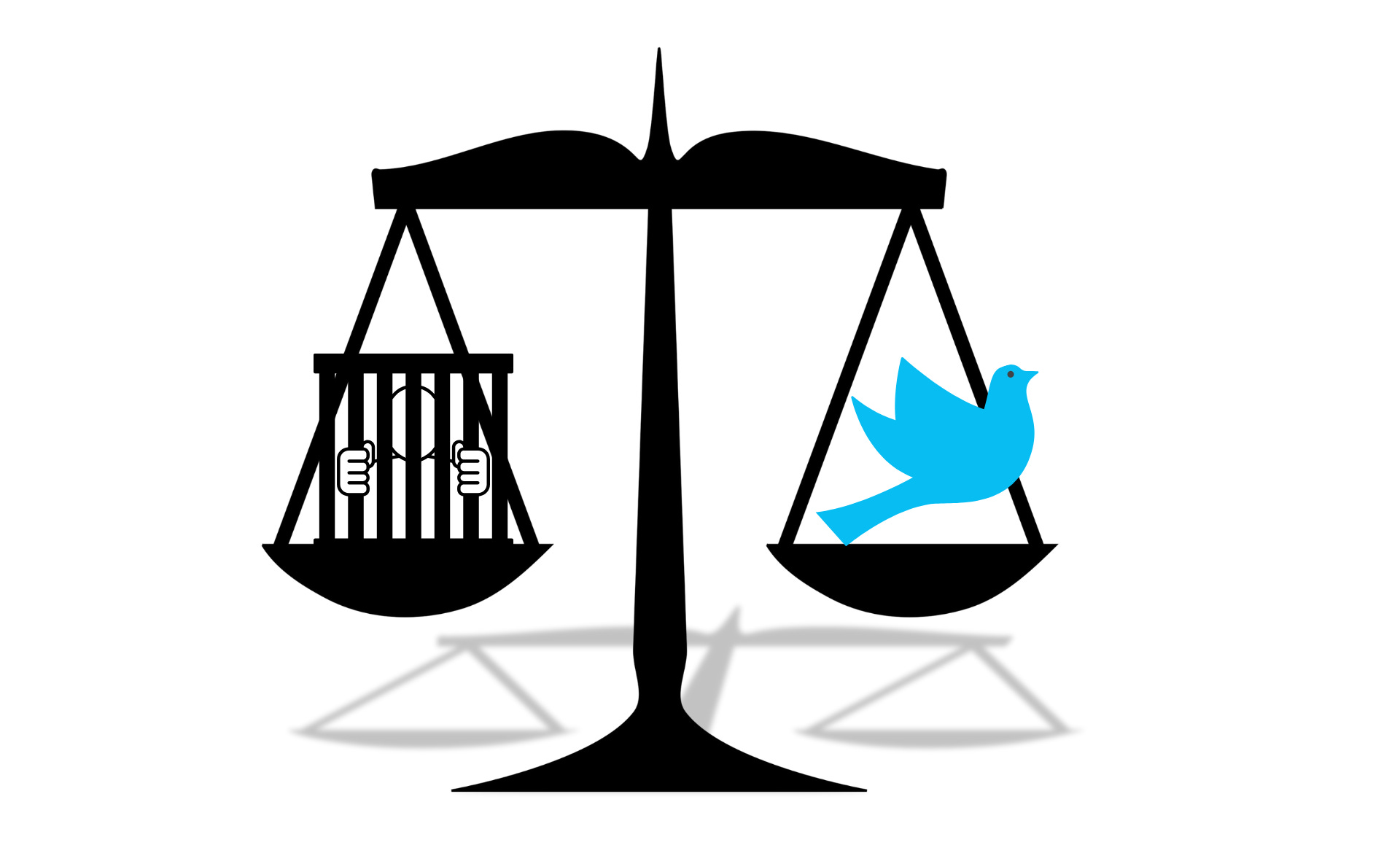
Last weekend, I read a newspaper article about how students in England who are about to enter university are ditching the humanities for subjects such as medicine, law, and engineering, which are perceived as offering greater job security after graduation. It is a trend that has been growing for several years, often driven by the need to earn money quickly in an education system where most students take on considerable debt compared with students in other European countries. England has produced some of the world’s most successful humanities graduates, including J. R. R. Tolkien and J. K. Rowling. Some students would no doubt prefer the freedom to pursue what they are most passionate about and succeed on their own terms, but instead feel compelled to make a calculated career decision before their adult lives have really begun. For many, choosing a university course will be the first time they have had to make a decisive choice between financial security and the freedom to become the person they truly want to be.
Long before modern society, human beings have often pondered how much protection they needed to feel secure and how much freedom they needed to adapt and create meaning in their life. There always seems to have been a historical tension between one and the other, but it is more difficult to have sufficient amounts of both at the same time.
Ancient philosophers such as Plato and Aristotle thought about these sorts of issues nearly 2500 years ago. Later, political philosophers such as Hobbes and Locke provided the initial frameworks for this dilemma. The pessimistic Hobbes, leaning towards security, had imagined life without an overarching authority as chaos, while the more optimistic Locke insisted that liberty was essential for trust and progress. But centuries later, their philosophical debate still lives on, even beyond the philosophy departments of universities. This perennial debate is at the core of how societies work. It also matters when we make decisions about our career or invest for our future.
But this tension is also a systems problem. It would not be complete to say that security and freedom are just philosophical opposites. Rather, they are more like twin forces that oscillate within every system, pulling and pushing, shaped by feedback loops, incentives, constraints, and the way risks propagate through complex environments such as the international political system.
When political leaders over‑optimise for security, they often trigger second‑order effects that reduce their ability to adapt or survive later. Take the example of the Cold War, which divided a large part of the world during the second half of the last century. Many of the leaders of the nations engaged in this conflict had come to realise that while security can make you feel relatively safe, too much of it could also become a trap. A security dilemma arose where one side’s defence became the other’s threat. The quest for more security just made the system feel more insecure. For citizens, it meant there were things you couldn’t do, places you could not visit. Freedom became a casualty of security. The eventual collapse of the Soviet system showed clearly how too much security without enough freedom left it unable to adapt. In the aftermath of 9/11, Western societies also experienced the phenomenon of too much security and not enough freedom as travelling by air became more cumbersome. More recently, the quest for health security during the COVID pandemic led to national lockdowns in many countries throughout the world but also produced economic and social consequences, with increased unemployment and isolation a factor for many.
In the workplace, a similar story has also unfolded over time. Take the example of the loyal Japanese salaryman (サラリーマン) who found stability in his work life, but at the cost of creativity, or the restless Silicon Valley workers who have pursued freedom over job security but also discovered job volatility and burnout. Investors also face this same sort of dilemma when they trade in the financial markets. Their priorities reflect how they trade. For example, bonds offer relatively good financial safety; some sometimes claim to be as good as gold, but they offer little growth. Equities promise greater freedom through higher returns, but they are also exposed to wild swings in the market, so they offer less security. Everywhere we find human decision, it seems we run into this dilemma.